Labour and scheduling
Hours against covers, and the overtime you are about to incur rather than the overtime you paid.
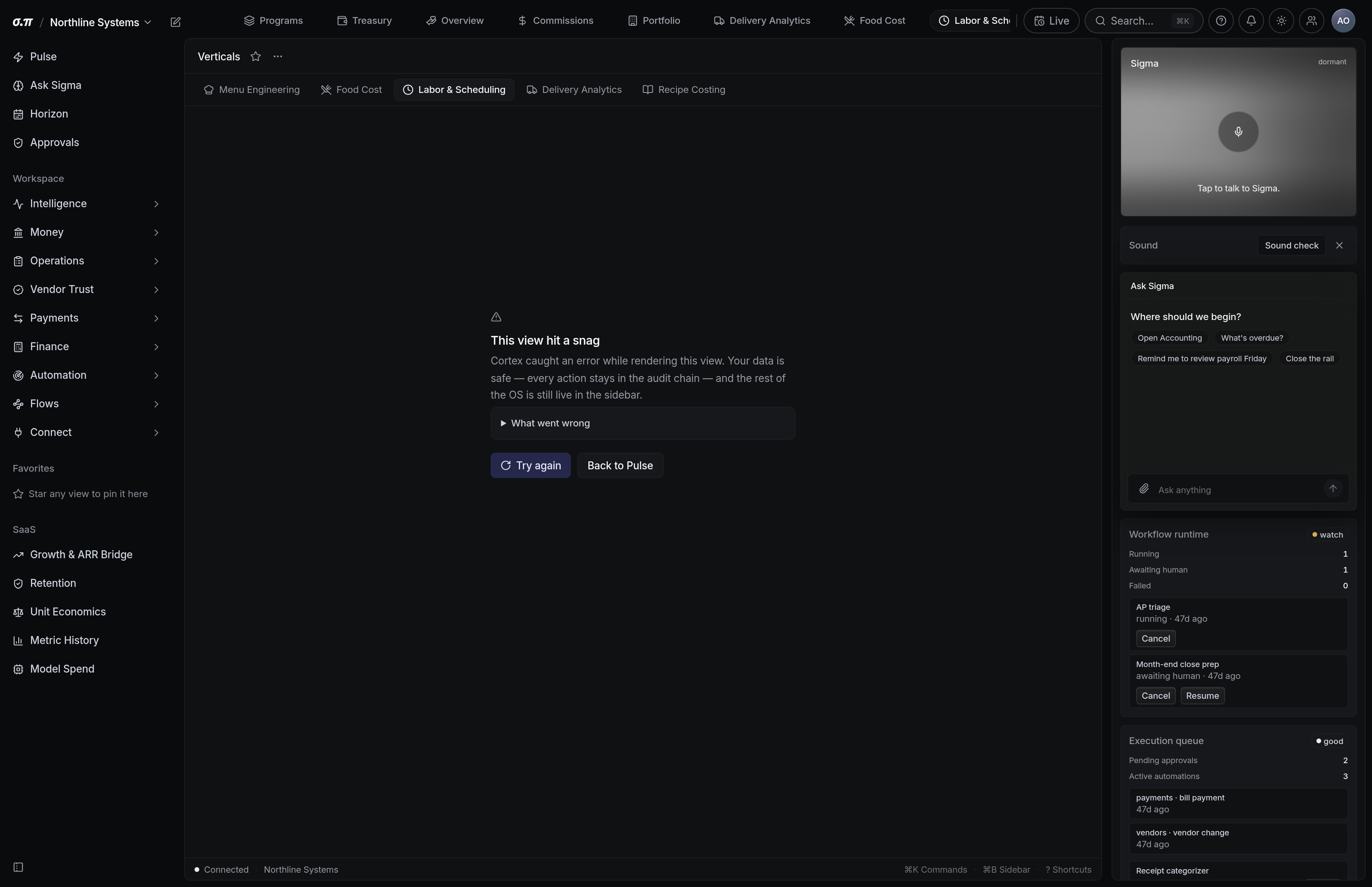
Labour cost is only useful next to demand. Thirty hours on a Tuesday and thirty on a Saturday are different decisions, and a weekly percentage tells you neither.
This page puts scheduled hours against forecast covers by daypart, and it counts approaching overtime before the week closes, while a shift can still be moved.
Where everything sits

How to work this page
Covers are forecast from your own history by day and daypart. The schedule shows hours against that forecast rather than against last week.
Anyone within four hours of the threshold is surfaced while the week is still open. After the week closes it is a cost, not a decision.
Labour cost divided by covers served, by daypart. It is the number that survives comparison between a slow Monday and a full Saturday.
A punch outside the scheduled window or at the wrong location is flagged before it reaches payroll.
On a phone
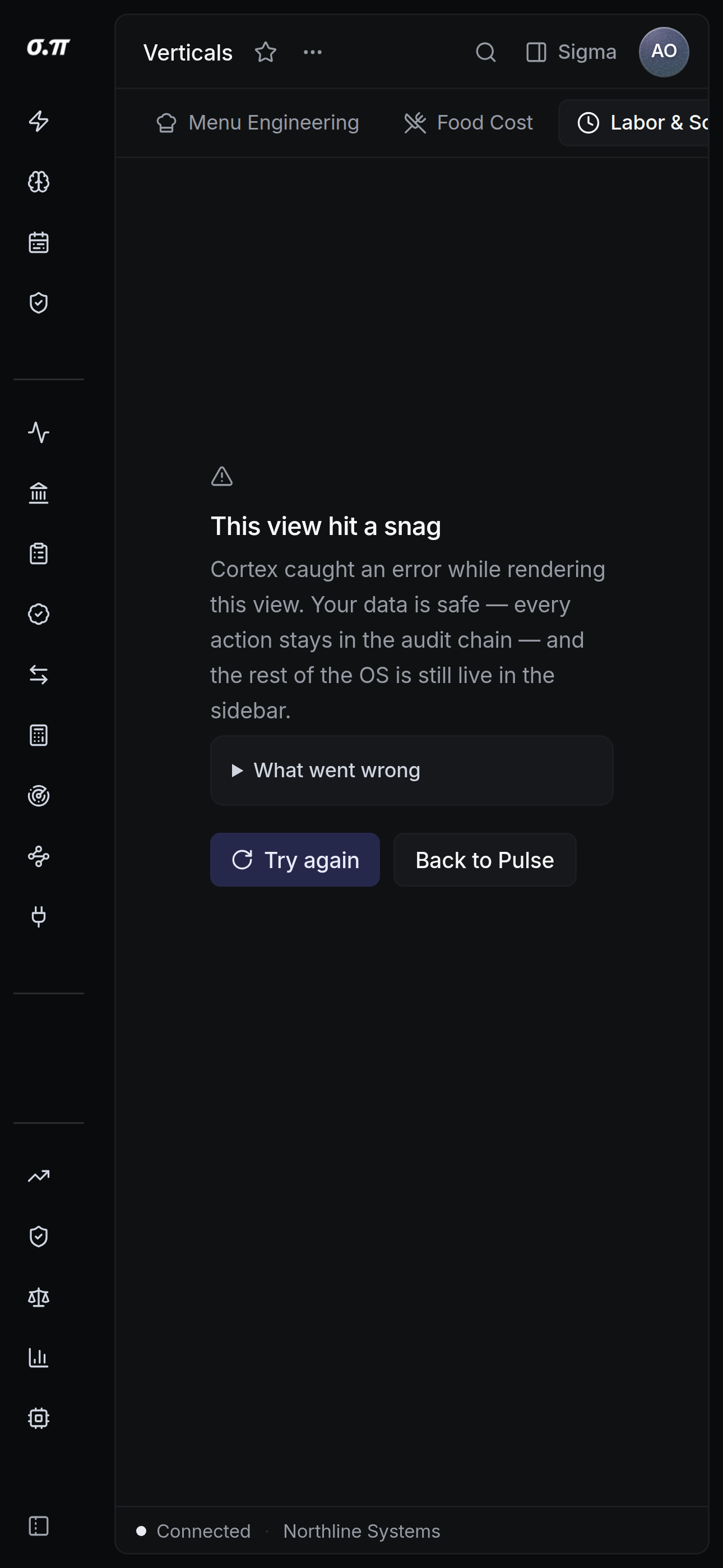
Every figure from the desktop appears here, stacked rather than reduced. Tables scroll inside themselves so the page never moves sideways, and figures keep their separators and their alignment at every width.
Questions people actually ask
Yes, per state, including the tip credit and the top-up when tips do not reach the standard minimum for the period.
Recorded as separate punches on the same day. States with split shift premium requirements apply them automatically.