Government grants
Awards received and awards made, each with conditions running in both directions.
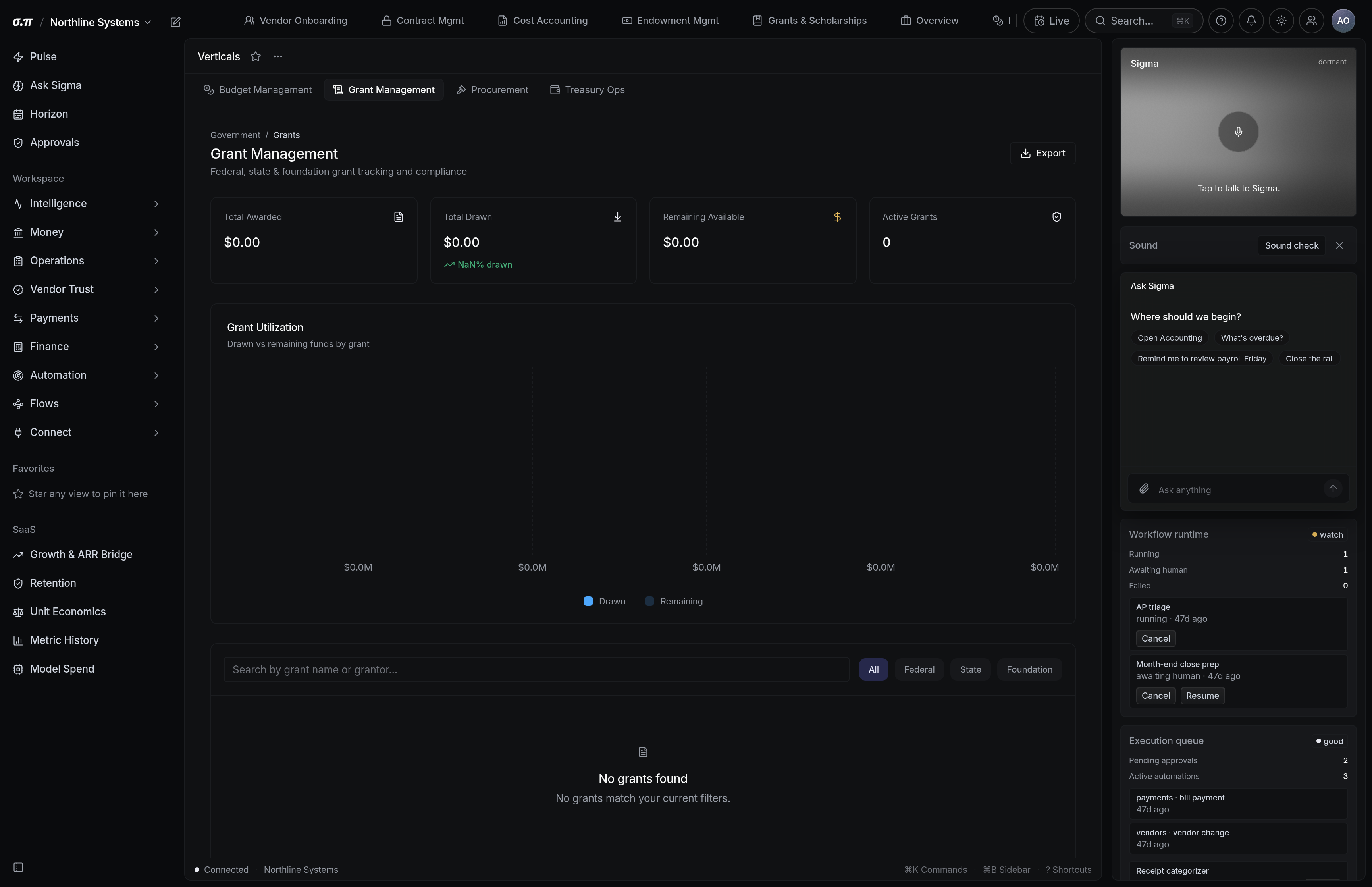
A government entity is usually both a recipient and a passthrough. Money received carries conditions from the awarding agency, and money passed to subrecipients carries your own monitoring obligations.
Subrecipient monitoring is where entities most often fail an audit, because the obligation continues after the money has left.
Where everything sits






How to work this page
Different obligations. As a passthrough you owe monitoring, risk assessment and audit follow-up.
Prior performance, experience and audit history. The assessment determines how closely you monitor and it has to exist.
Subrecipients spending above the federal threshold need a single audit, and you must obtain and review it.
A finding in a subrecipient audit requires documented follow-up from you. Receiving the report is not the obligation.
On a phone
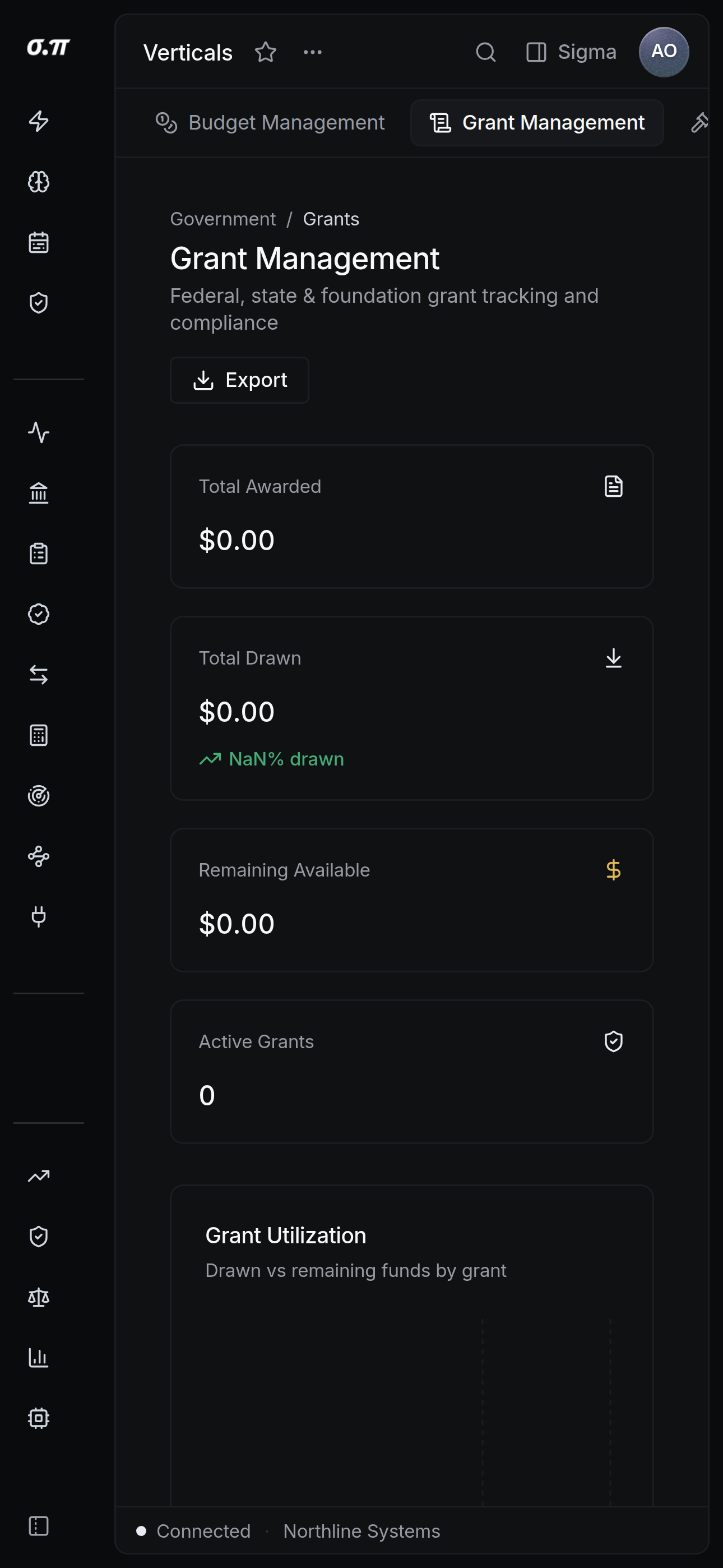
Every figure from the desktop appears here, stacked rather than reduced. Tables scroll inside themselves so the page never moves sideways, and figures keep their separators and their alignment at every width.
Questions people actually ask
A subrecipient carries out part of the program. A contractor provides goods or services in a competitive market. The distinction determines whether monitoring applies and it is a documented determination.
Inadequate subrecipient monitoring. The money is passed correctly and nobody watches what happens next.