Funds
Committed capital, what has been called, and what remains to be drawn.
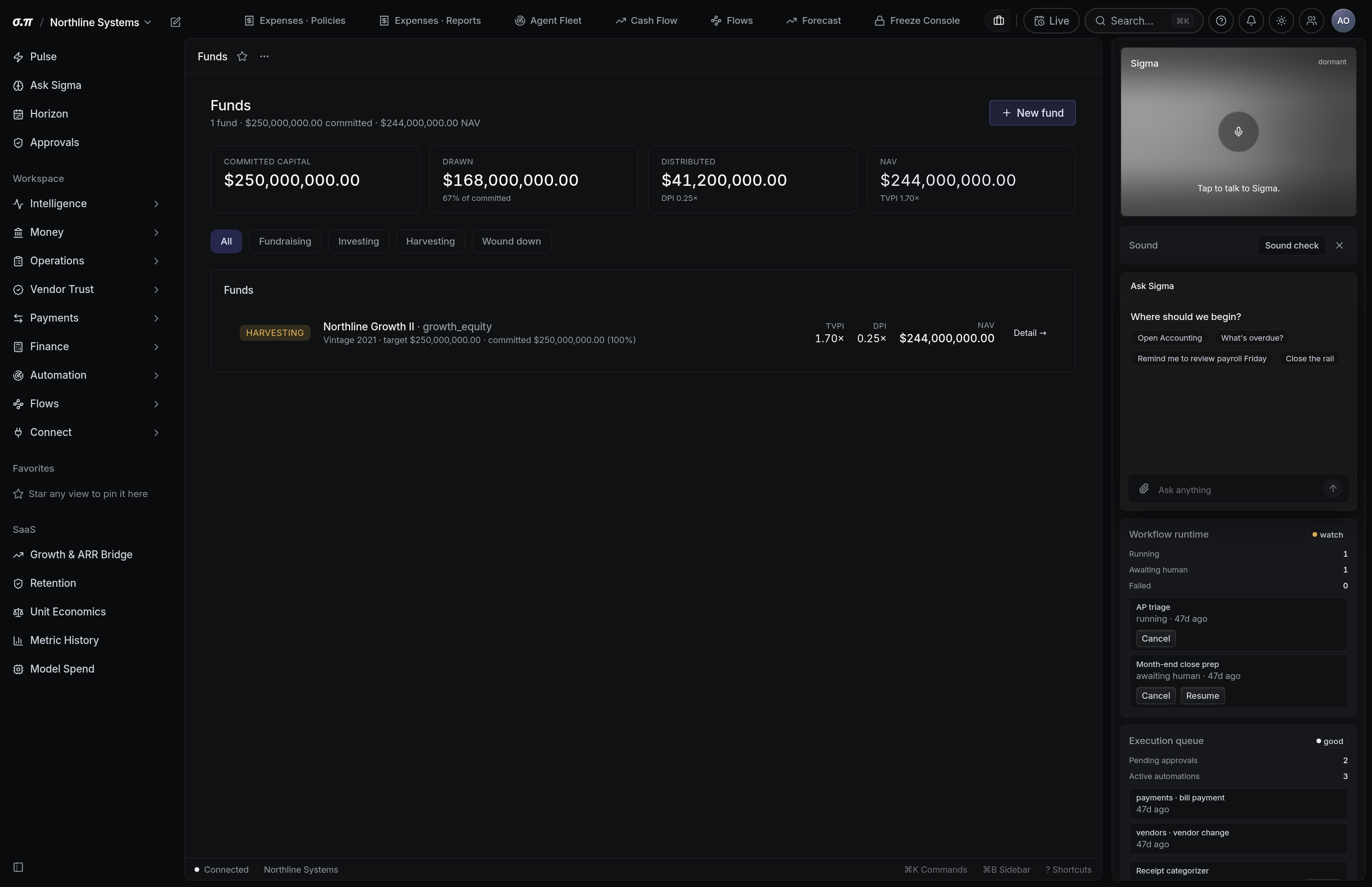
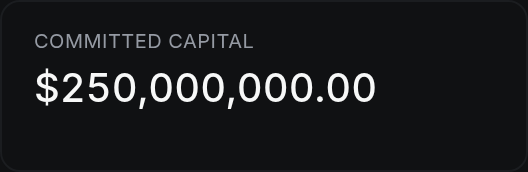
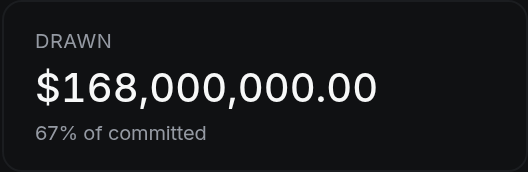
A fund holds commitments from investors, calls against those commitments, and the deployments made with them. The number that matters most is uncalled capital, because it is an obligation on the investor and a resource for the fund.
Each fund carries its own terms: the size, the period, the fee basis and the waterfall. Terms differ between funds and reporting has to respect that.
Where everything sits
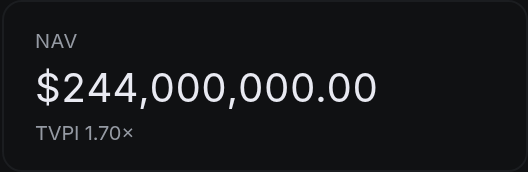

How to work this page
Committed, called to date, and remaining. Each investor sees their own position and the fund sees the total.
A call carries its purpose and its due date. Uncalled capital reduces as calls are made rather than as they are paid.
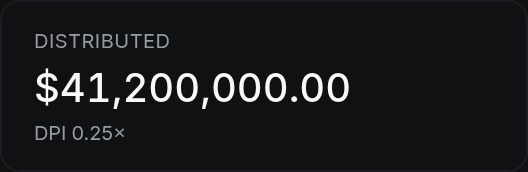
What the called capital was actually used for. The gap between called and deployed is cash sitting in the fund.
It bounds when capital can be called for new investments. Its end changes what calls are permitted.
On a phone
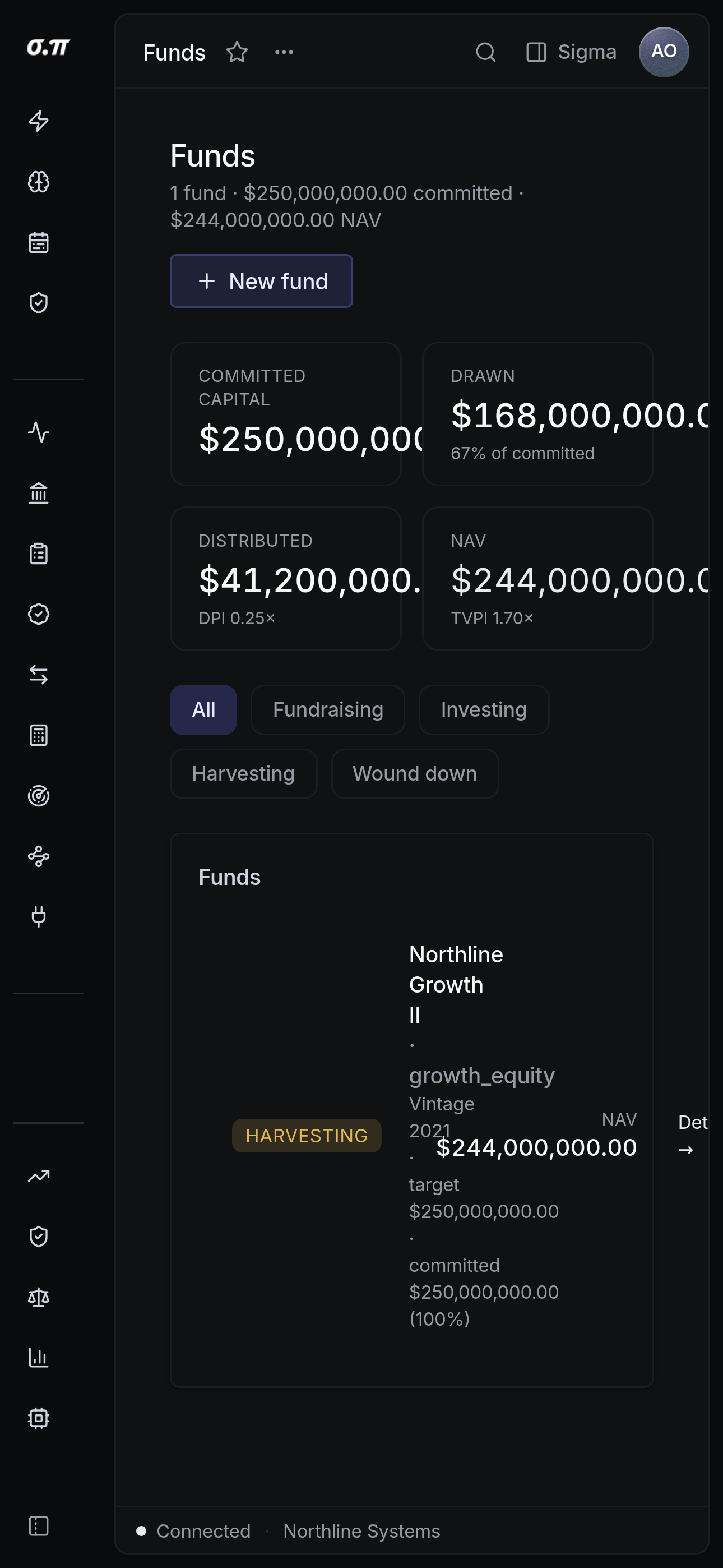
Every figure from the desktop appears here, stacked rather than reduced. Tables scroll inside themselves so the page never moves sideways, and figures keep their separators and their alignment at every width.
Questions people actually ask
The default is recorded against the commitment and the remedy in your documents applies. The position stays on the record rather than being quietly written off.
Distribution waterfalls are modelled per fund from its own terms, and each tier is shown separately rather than as a single net figure.