Cost accounting
Direct and indirect costs under standards where the allocation method is itself regulated.
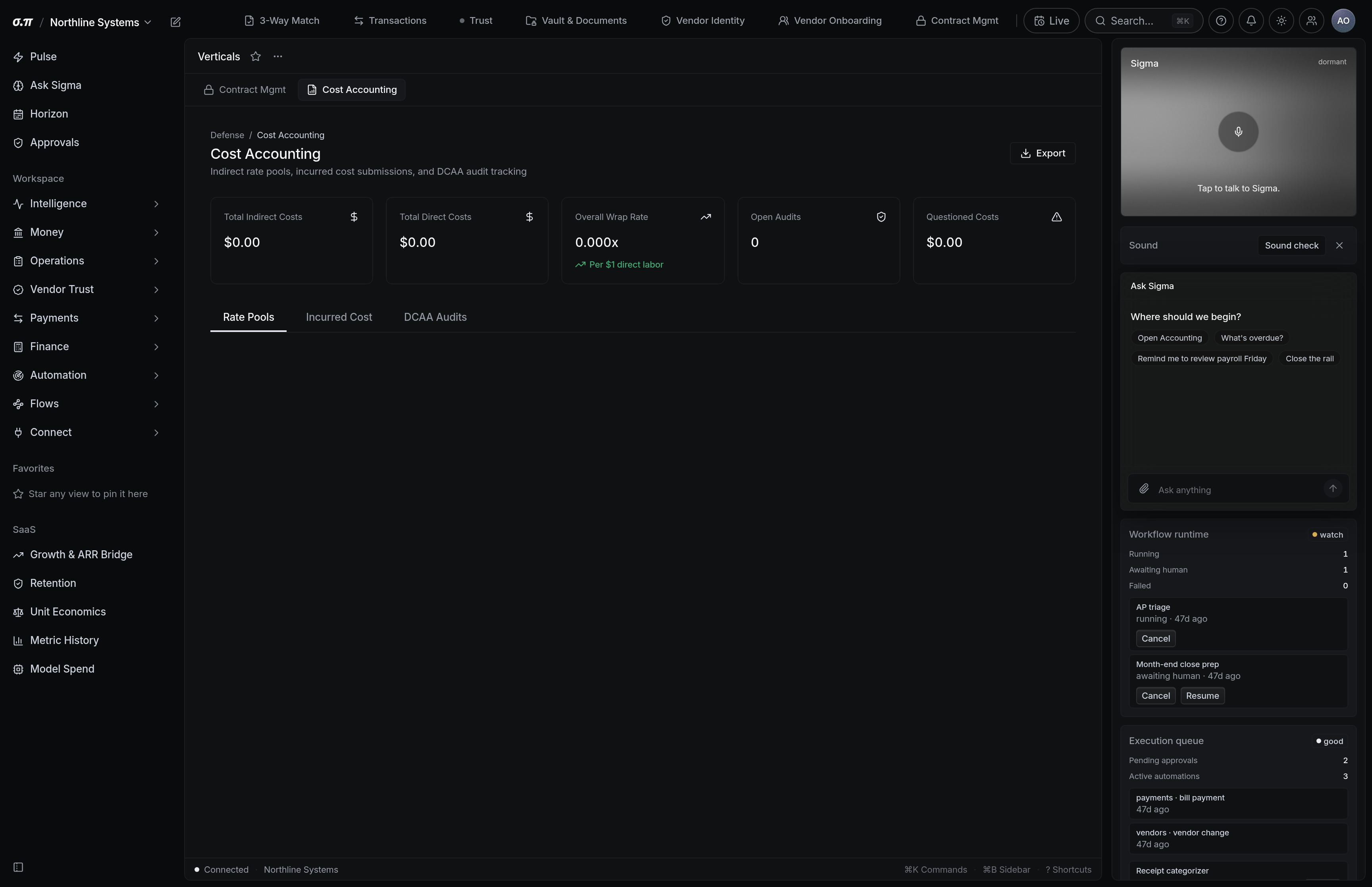
Cost accounting standards govern how costs are classified and allocated on covered contracts. Consistency is the core requirement: the same cost treated the same way across contracts and periods.
A change in practice requires disclosure and may require adjusting contract prices. Drifting into a new method quietly is a finding.
Where everything sits
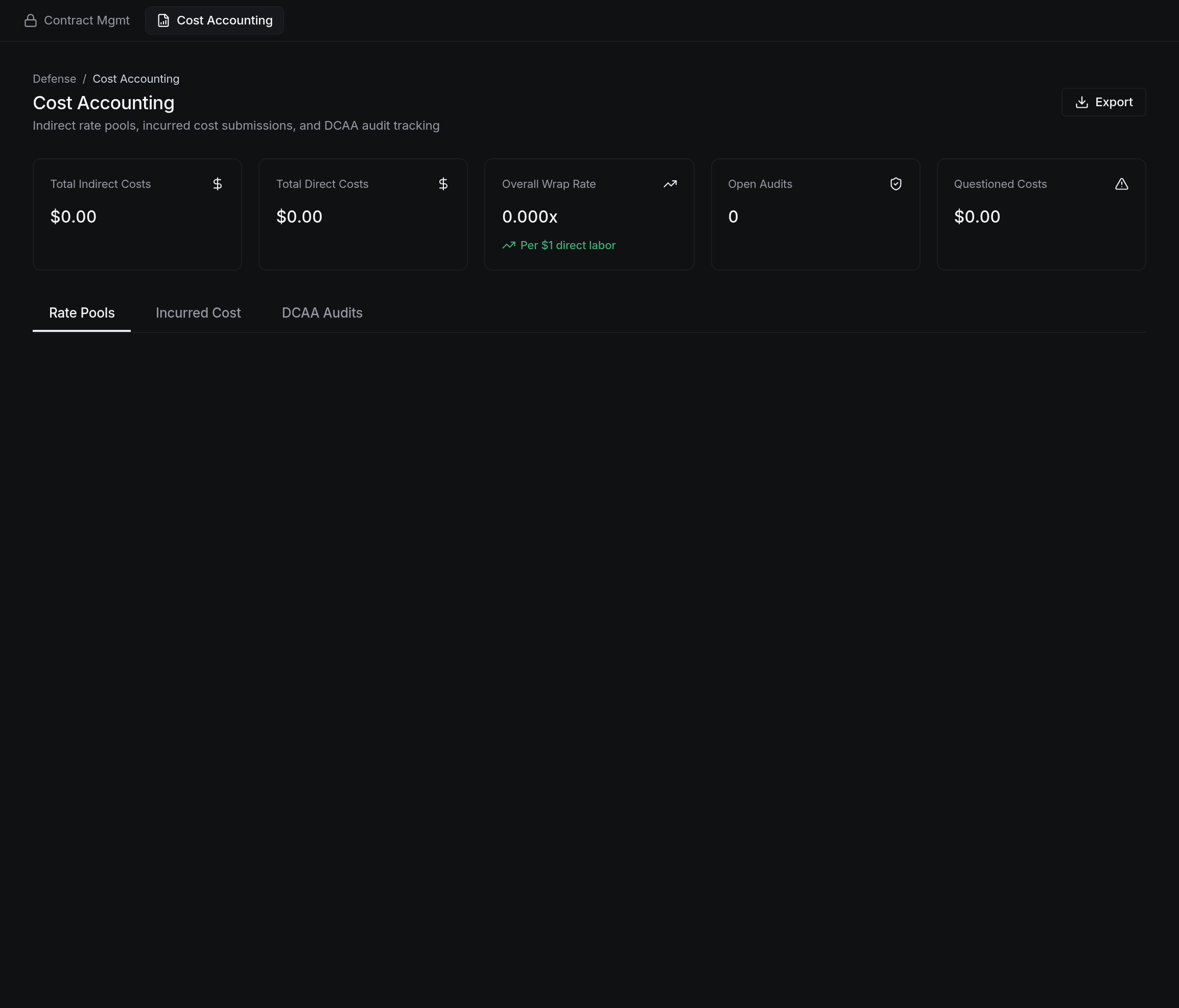



How to work this page
It describes your practices. What you do must match what it says, and it is the document an auditor tests against.
Overhead, fringe and general and administrative each have a pool and an allocation base. Changing either mid-year without disclosure is a change in practice.
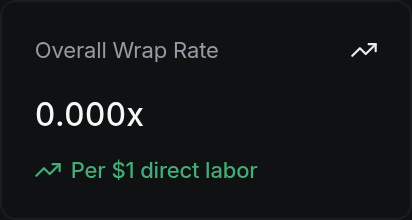
Provisional rates bill through the year and the true-up at year end should be a number you have watched rather than one that arrives.
Identified and excluded at the point of entry. They remain real expenditure in your books and never reach a pool.
On a phone
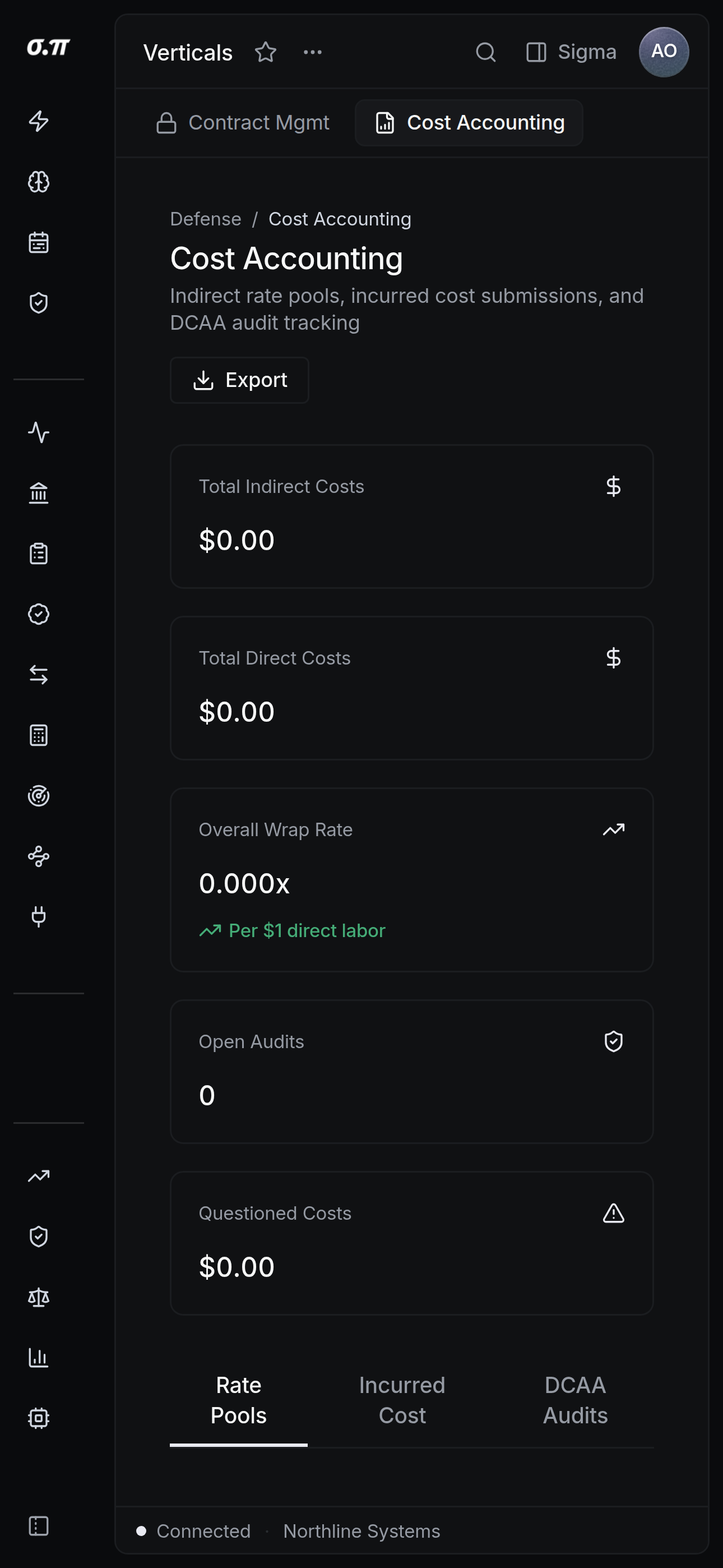
Every figure from the desktop appears here, stacked rather than reduced. Tables scroll inside themselves so the page never moves sideways, and figures keep their separators and their alignment at every width.
Questions people actually ask
It depends on contract type and value, and full coverage differs from modified. The applicable standards are recorded per contract.
The true-up adjusts billings. Watching the variance through the year is what turns a year-end shock into a managed number.