Bills
What you owe, when it is due, and what leaves the account this week.
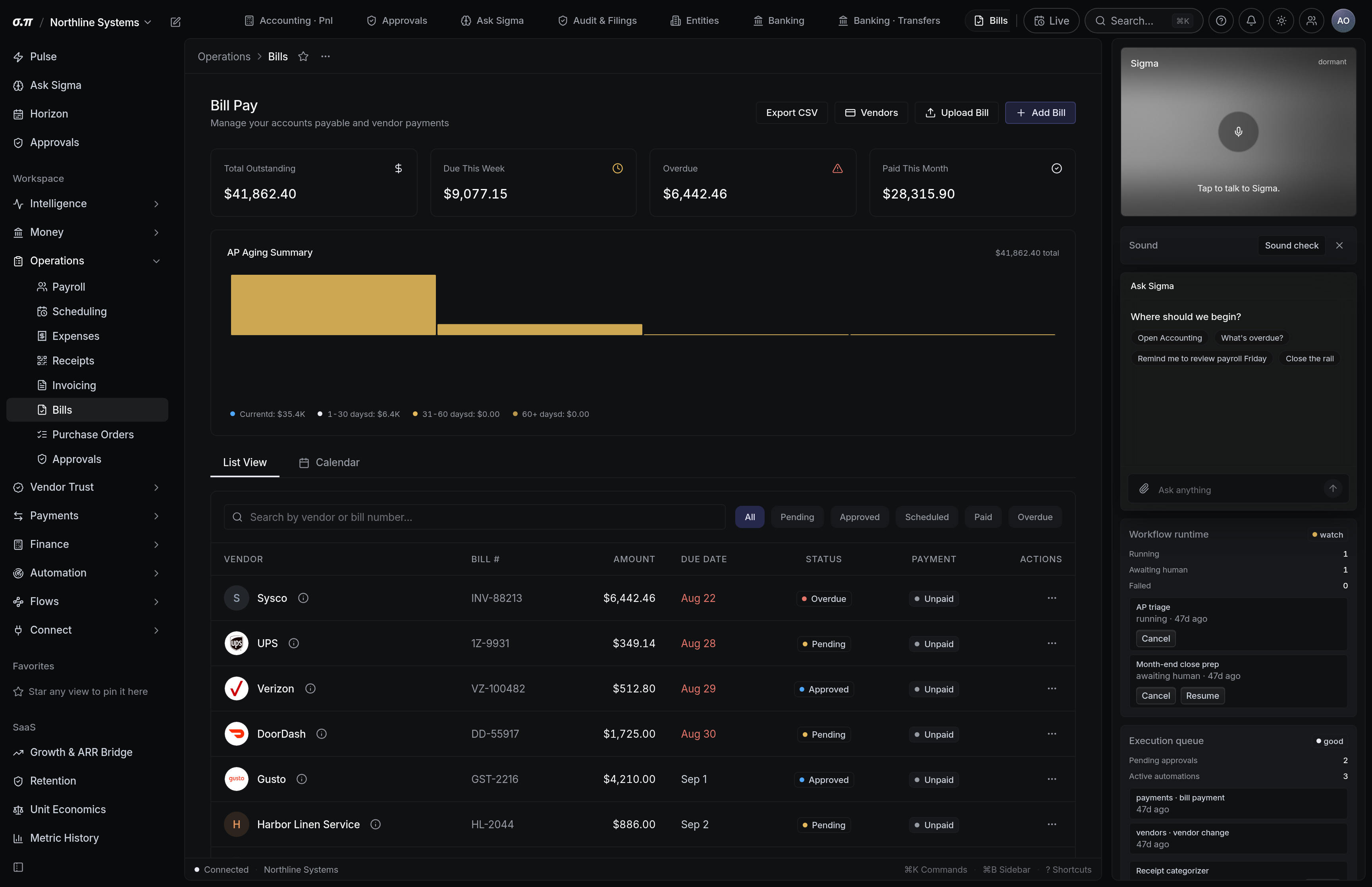
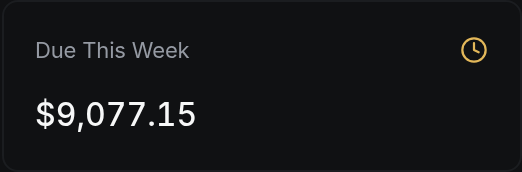
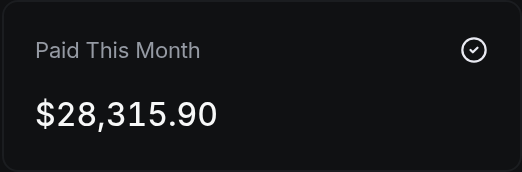
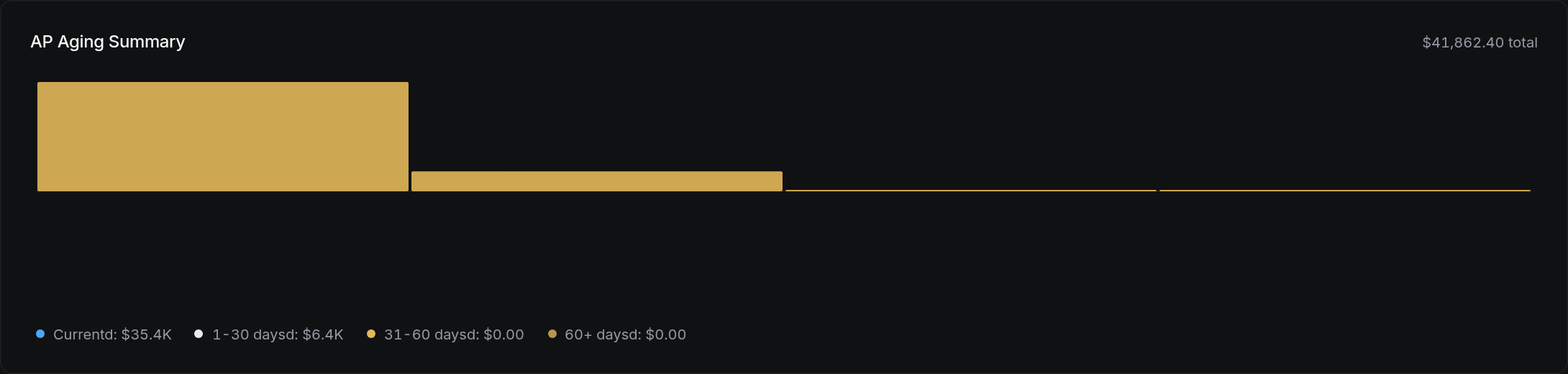
Bills holds every payable with its due date, its approval state, and its payment. The list sorts by what is due soonest, and the total across the next seven days is the figure most people come here for.
A bill moves through received, approved, scheduled and paid. Nothing pays itself. Approval is a recorded act by a named person, and the rules that decide who can approve what live in Approvals.
Where everything sits
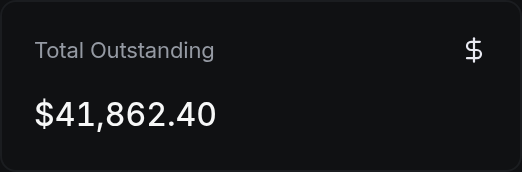
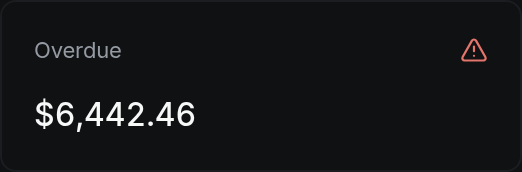

How to work this page
Upload the document or forward it to your intake address. Vendor, amount, due date and line items are read from it and presented for confirmation rather than accepted blind.
If purchase orders are in use, the bill matches against the order and the receipt before it can be approved. Variances hold it and name the difference.
The approval rule for the amount and category determines who is required. The bill shows who is waiting and what happens next.
Choose the date and the rail. Scheduling near a due date rather than on receipt keeps cash in the account longer without going late.
The seven day total is what leaves if everything scheduled executes. It is the number to check before you commit to anything else.
On a phone
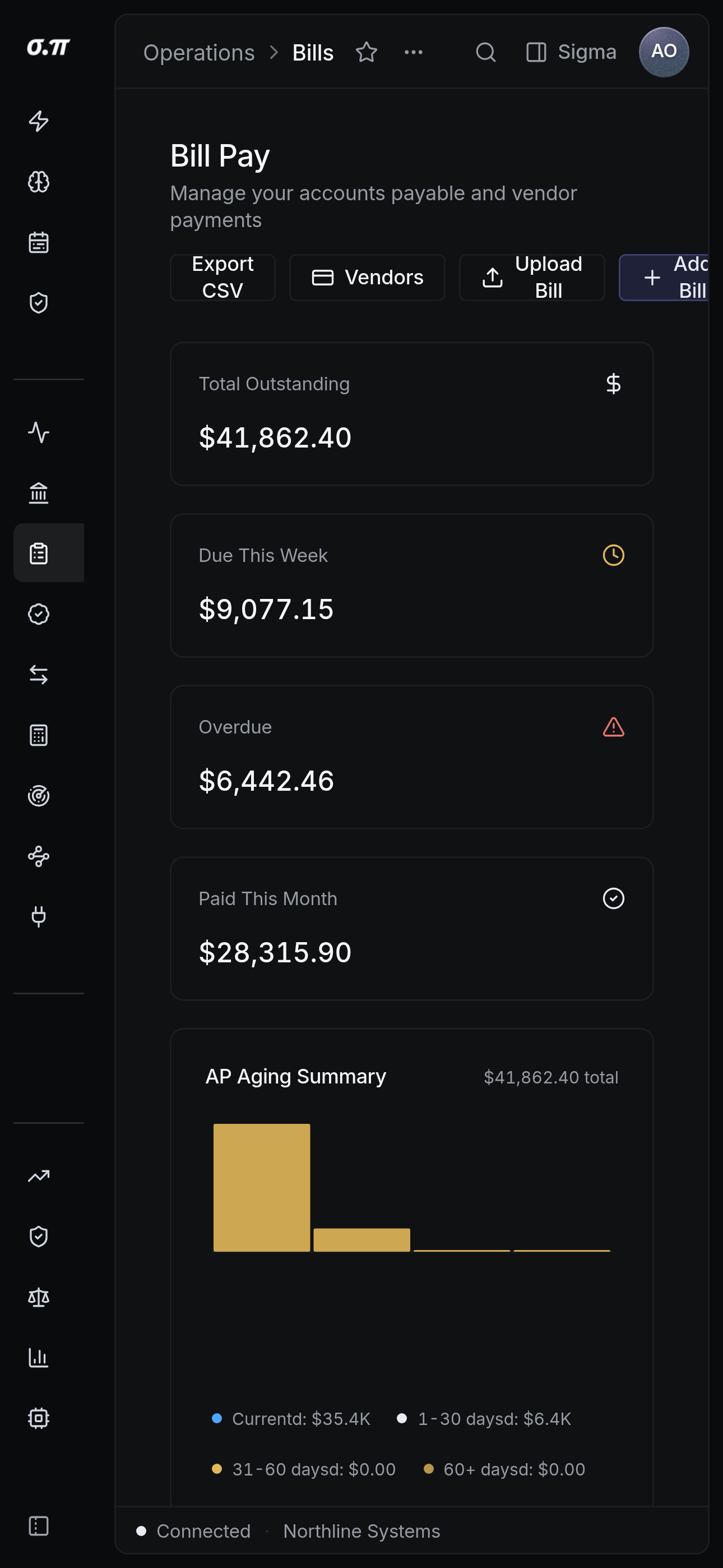
Every figure from the desktop appears here, stacked rather than reduced. Tables scroll inside themselves so the page never moves sideways, and figures keep their separators and their alignment at every width.
Questions people actually ask
Incoming bills are checked against recent payables on vendor, amount, date proximity and invoice reference. A likely duplicate is held with the original shown beside it.
Yes, and terms carrying an early payment discount surface the deadline and the saving so the decision is priced rather than guessed.